Source Bovine Collagen Powder for Health, Skin, and Food
Find 30 bovine collagen powder listings from China. Compare food-grade and cosmetic-grade options with molecular weights under 2000da. Review packaging, certifications, and MOQs for oral administration and skincare applications; compare the available evidence and request quotations based on your requirements.
Key considerations
Products List




Comprehensive Sourcing Guide
Bovine Collagen Powder Sourcing Guide
Procuring bovine collagen powder requires distinguishing between general food-grade ingredients and specialized biological diagnostic reagents, as the supplied data indicates a wide variance in product classification. Buyers must carefully verify whether the listing targets oral health applications or topical skin care formulations, since the observed attributes include both "Ordinary Food" and "Skin Care" designations alongside specific diagnostic reagent types. This distinction dictates the necessary regulatory pathway and quality assurance protocols before any commercial engagement begins.
The observed market signals reveal a supply base originating primarily from Jiangsu, China, with packaging formats ranging from small 1kg bags to industrial 25kg drums. Sourcing decisions should account for the availability of customization options, such as OEM logo printing, which is explicitly noted as a free service for many suppliers. However, buyers must remain vigilant regarding the specific molecular weight ranges and purity claims, as the data presents conflicting specifications like 1000-2000da versus "Less Than 2000da" that require direct confirmation with the manufacturer.
Product Scope and Observed Listing Signals
The product scope encompasses a diverse array of bovine-derived materials, including refined powders suitable for elderly, children, and adult consumption, as well as specialized applications in health and skin care products. The observed listings frequently highlight functional benefits such as moisturizing, anti-aging, and firming, which align with the "Food Grade" and "Health Product" classifications found in the data. Buyers should expect to encounter products marketed for oral administration that leverage the raw material's biological properties for internal wellness or external cosmetic enhancement.
Listing signals indicate a high degree of customization availability, with suppliers offering flexible packaging solutions like double plastic containers inside aluminum bags or standard cartons. The presence of specific model numbers and batch codes suggests a structured inventory system, yet the variation in stated standards, such as "1kg" versus "99%" purity, necessitates a rigorous review of individual product descriptions. Procurement teams must map these observed signals to their specific operational needs, ensuring the selected powder meets the intended usage mode without ambiguity regarding its primary function.
Technical Specifications to Verify
Verification of technical specifications is critical due to the conflicting molecular weight data and varying purity standards observed in the listings. Buyers must explicitly confirm whether the product meets the 1000-2000da range or the "Less Than 2000da" threshold, as this parameter significantly influences bioavailability and application efficacy in both food and cosmetic contexts. Additionally, the CAS numbers 9007-34-5 and 9064-67-9 appear in the data, requiring clarification on which specific collagen type or derivative is being supplied to avoid procurement errors.
Packaging and storage specifications also demand precise validation to ensure product integrity throughout the supply chain. The data lists multiple storage methods, including "Normal Temperature," and varying shelf life periods ranging from two to three years, which impacts inventory planning and logistics. Buyers should verify the exact packaging dimensions, such as the 55x97x25 standard, and confirm the moisture barrier properties of the 1kg/Bag or 25kg/Drum options to prevent degradation during transit and storage.
Compliance and Safety Documentation
Compliance documentation must address the diverse regulatory landscapes for food, health products, and cosmetic ingredients, as the listings cite certifications including FDA, GMP, and CE. Buyers should request current certificates of analysis that align with the specific GMP number provided, such as GMP20140005, to ensure the manufacturing facility adheres to recognized quality management systems. It is essential to confirm that the certification covers the specific product grade, whether it is designated for ordinary food, health supplements, or skin care applications.
Safety documentation must also clarify the origin of the raw material, specifically the bovine source, to mitigate risks associated with animal-borne pathogens. The data indicates the product originates from China, with some listings specifying Jiangsu as the production location, which may influence import regulations and traceability requirements. Procurement teams should verify that the supplier provides comprehensive safety data sheets and proof of origin that satisfy the regulatory bodies of the destination market, ensuring the product is safe for its intended demographic, including children and the elderly.
Cost Drivers and Commercial Terms
Cost drivers in the bovine collagen powder market are heavily influenced by the degree of refinement, molecular weight specifications, and the level of customization required. The observed price range of 1 to 15,000 USD suggests a vast disparity between basic raw materials and highly processed, branded, or specialized diagnostic reagents. Buyers must analyze whether the quoted price includes value-added services like free logo printing or specific packaging configurations, as these factors can significantly alter the total cost of ownership.
Commercial terms regarding minimum order quantities and lead times vary widely, with observed MOQs ranging from 1kg to 5000 units. The data indicates a sample availability of 10g, which serves as a practical starting point for quality verification before committing to larger volumes. Procurement strategies should account for the express shipping options like FedEx and sea transportation, as the choice of logistics method will impact both the speed of delivery and the final landed cost of the product.
Supplier Qualification and Quality Control
Supplier qualification should prioritize manufacturers with verified GMP compliance and a clear track record in producing bovine-derived ingredients for multiple sectors. The presence of specific brand names like Bouliga and detailed product models suggests established entities, yet buyers must independently validate the supplier's capacity to maintain consistent quality across different batches. Quality control protocols should be scrutinized to ensure they address the specific risks associated with biological materials, including microbial contamination and allergen management.
Quality control measures must extend to the entire production lifecycle, from raw material sourcing to final packaging. The data highlights a "Quality Guarantee Period" of two to three years, which implies a confidence in product stability, but this claim requires validation through independent testing. Buyers should request detailed quality assurance reports that confirm the product meets the stated standards, such as the 99% purity or specific molecular weight ranges, to ensure the supplier can consistently deliver on their promises.
Long-Term Procurement Checks
Long-term procurement checks should focus on the supplier's ability to maintain consistent product specifications and regulatory compliance over time. Given the observed variations in product models and standards, buyers must establish a robust framework for periodic re-verification of quality parameters, including molecular weight and purity levels. Regular audits of the manufacturing facility and review of updated certification documents are essential to mitigate the risk of specification drift or regulatory non-compliance in future orders.
Supply chain resilience is another critical factor for long-term success, requiring an assessment of the supplier's production capacity and logistics reliability. The data indicates multiple shipping methods and packaging options, but buyers should verify the supplier's ability to scale operations during peak demand periods without compromising quality. Establishing clear communication channels for addressing quality issues and ensuring a reliable supply of samples for ongoing testing will help maintain a stable and productive procurement relationship.
FAQs
What is the molecular weight of this bovine collagen powder?
The molecular weight is less than 2000 daltons, with a specific range of 1000-2000da. This low molecular weight ensures high solubility and rapid absorption in the body. It is suitable for various applications including health products and skin care formulations. The refined quality guarantees consistent performance across different batches for reliable manufacturing results.
Can I customize the packaging for bulk orders of bovine collagen powder?
Yes, customization is available for bulk orders. Standard packaging includes 1kg bags or 25kg drums. You can also choose 20kg drums or cartons depending on your logistics needs. The supplier offers OEM services with free logo printing. This flexibility allows you to align the packaging with your brand identity and distribution requirements effectively.
What certifications does this bovine collagen powder hold?
This product holds FDA, GMP, and CE certifications. The GMP number is GMP20140005, ensuring strict manufacturing standards. These certifications verify the product's safety and quality for international trade. It meets the requirements for food grade and health product applications. Buyers can trust these credentials for compliance in regulated markets and supply chain transparency.
What are the primary functions of this bovine collagen powder?
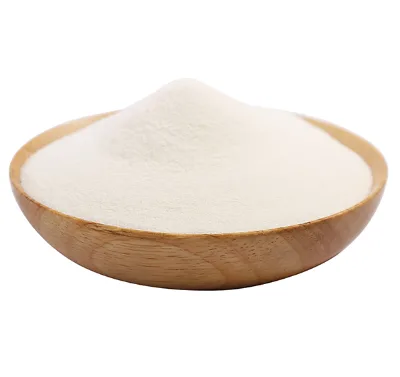
The primary functions include moisturizing, anti-aging, whitening, firming, and anti-wrinkle effects. It also serves as an acne treatment and nourishing agent. These benefits make it ideal for skin care products and health supplements. The powder is refined and white, suitable for oral administration. It supports skin health and overall wellness for adults, children, and the elderly.
What is the shelf life and storage method for bovine collagen powder?
The shelf life is two years when stored at normal temperature. Proper storage ensures the product maintains its quality and efficacy over time. The powder is refined and should be kept in a cool, dry place. This storage method prevents degradation and preserves the biological activity. Buyers can plan inventory management with confidence in the product's stability and longevity.
What is the minimum order quantity for this bovine collagen powder?
The minimum order quantity is 1kg. This low MOQ allows buyers to test the product before committing to larger orders. Samples of 10g are also available for evaluation. The flexible ordering options cater to both small-scale testers and large manufacturers. This approach reduces risk for new buyers and facilitates easier integration into existing supply chains.
Where is this bovine collagen powder manufactured?
The product is manufactured in Jiangsu, China. This location is known for its advanced manufacturing capabilities and quality control. The origin ensures access to high-quality raw materials and efficient production processes. Buyers can rely on the established industrial infrastructure in this region. The Chinese origin also offers competitive pricing and reliable logistics for global distribution.